Peppermint Oil for IBS: What the Research Says
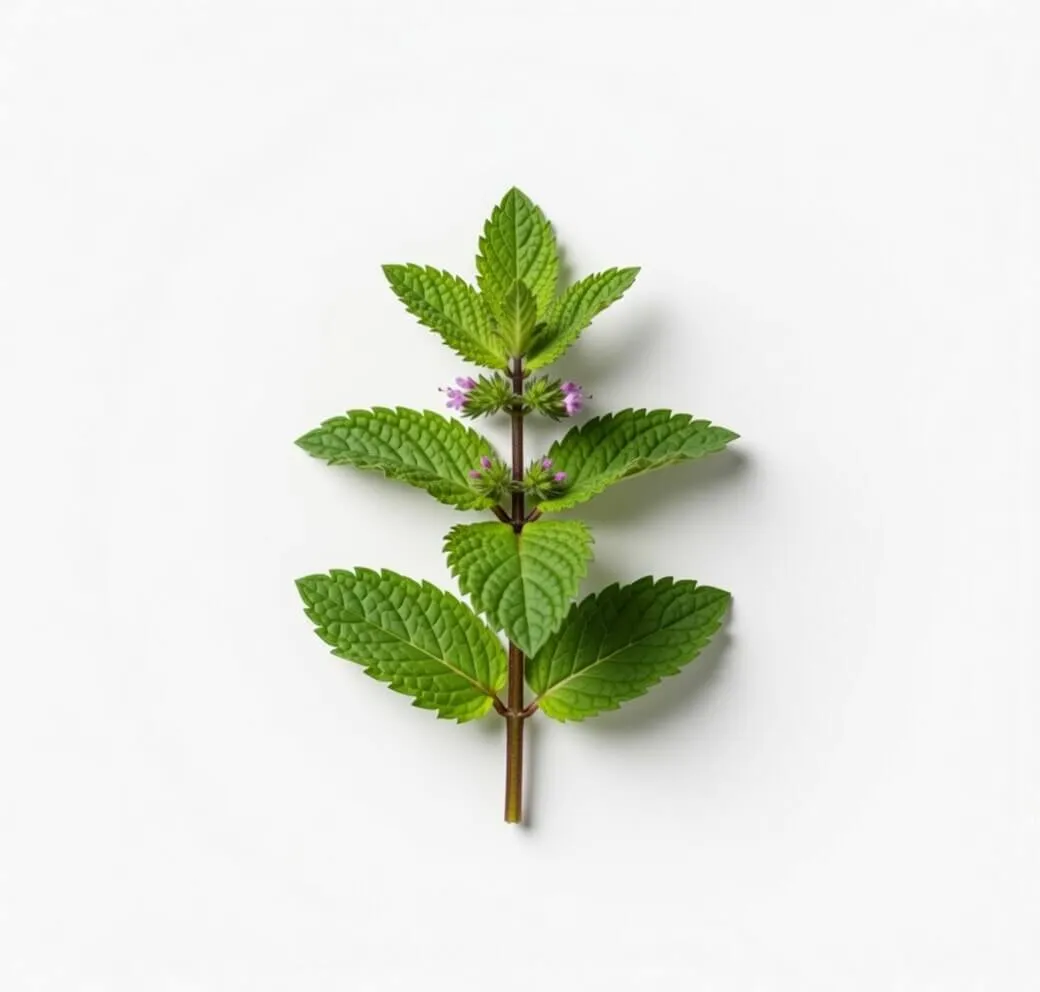
Irritable bowel syndrome can make ordinary days feel unpredictable — bloating, cramping and gut discomfort that come and go without much warning. Peppermint oil is one of the best-studied herbal options for IBS, and the research behind it is stronger than for most botanicals. A meta-analysis of 12 trials found it significantly reduces abdominal pain, bloating, and IBS symptom severity.
The oil's main compound, menthol, relaxes smooth muscle in the GI tract via calcium channel blockade — a straightforward mechanical explanation for why a little peppermint can feel so settling after a meal. Peppermint itself is a natural hybrid of watermint and spearmint, prized for its high menthol content and long used to support digestive comfort.
What the research shows
The evidence for peppermint oil in IBS is rated strong. Alammar et al., publishing in BMC Complement Med Ther in 2019, pooled 12 randomized controlled trials and found significant reductions in abdominal pain, bloating, and overall IBS symptom severity. In practical terms, this is one of the better-supported herbal options you can reach for when your gut is uncomfortable.
It helps to know why the form matters. Menthol works on the smooth muscle of the digestive tract, which is why the oil is delivered in a way that carries it further along the gut rather than releasing it early in the stomach.
How to use it
Enteric-coated peppermint oil capsules are the practical choice, because the coating helps ensure the oil reaches the intestines. Each capsule typically contains 0.2 mL of oil. The usual approach is 1–2 enteric-coated capsules three times daily, taken 30 minutes before meals.
If you prefer something warm and simple, brew a strong peppermint tea with 2 teaspoons of dried leaves steeped for 10 minutes, and drink 1–3 cups daily. Peppermint leaves, fresh or dried, can also be steeped in hot water as an everyday cup — an easy habit to fold into the pause after lunch or before an evening meal.
Cautions worth knowing
Avoid peppermint oil if you have GERD, as peppermint can relax the lower esophageal sphincter. Enteric-coated capsules reduce heartburn risk, which is one reason the coated form is preferred over loose oil. If you take regular medication or have another digestive condition, check with your clinician before adding a new supplement to your routine.
Key takeaways
- Peppermint oil has strong evidence for IBS: a meta-analysis of 12 trials found significant reductions in abdominal pain, bloating and symptom severity.
- Menthol relaxes smooth muscle in the GI tract via calcium channel blockade, which helps explain its effect on gut discomfort.
- Choose enteric-coated capsules (0.2 mL each) and take 1–2 three times daily, 30 minutes before meals; or drink 1–3 cups of strong peppermint tea daily.
- Avoid peppermint oil with GERD, since it can relax the lower esophageal sphincter; enteric-coated capsules reduce heartburn risk.
Remedies in this article
Cautions
Peppermint Oil for IBS: Avoid with GERD as peppermint can relax the lower esophageal sphincter. Enteric-coated capsules reduce heartburn risk.
Frequently asked questions
How strong is the evidence for peppermint oil in IBS?
It is rated strong. A meta-analysis of 12 trials by Alammar et al. in BMC Complement Med Ther (2019) found peppermint oil significantly reduces abdominal pain, bloating, and IBS symptom severity.
Which form should I choose?
Enteric-coated capsules are used because the coating helps the oil reach the intestines; each capsule typically holds 0.2 mL. The usual amount is 1–2 capsules three times daily, 30 minutes before meals.
Can I just drink peppermint tea instead?
Yes — as an alternative, brew a strong tea with 2 teaspoons of dried leaves steeped for 10 minutes and drink 1–3 cups daily.
Who should avoid peppermint oil?
Avoid it if you have GERD, as peppermint can relax the lower esophageal sphincter. Enteric-coated capsules reduce heartburn risk.
References
Alammar et al., BMC Complement Med Ther, 2019 — Meta-analysis of 12 RCTs
Look up this research on PubMed
Alammar et al., BMC Complement Med Ther, 2019 — Meta-analysis of 12 RCTs on IBS
Explore
More articles
Evidence-based herbal options for digestive comfort, ordered by strength of evidence: castor oil, ginger, peppermint, apple, chamomile and dandelion.
A meta-analysis of five randomized trials found hibiscus tea lowered systolic and diastolic blood pressure. Here's how to brew it and what to watch for.
How a black pepper vapour for cigarette cravings and a three-herb lung protocol differ, what the evidence shows, and which may suit you better.