Garlic-Onion Elixir vs Ginger Compress: How to Choose
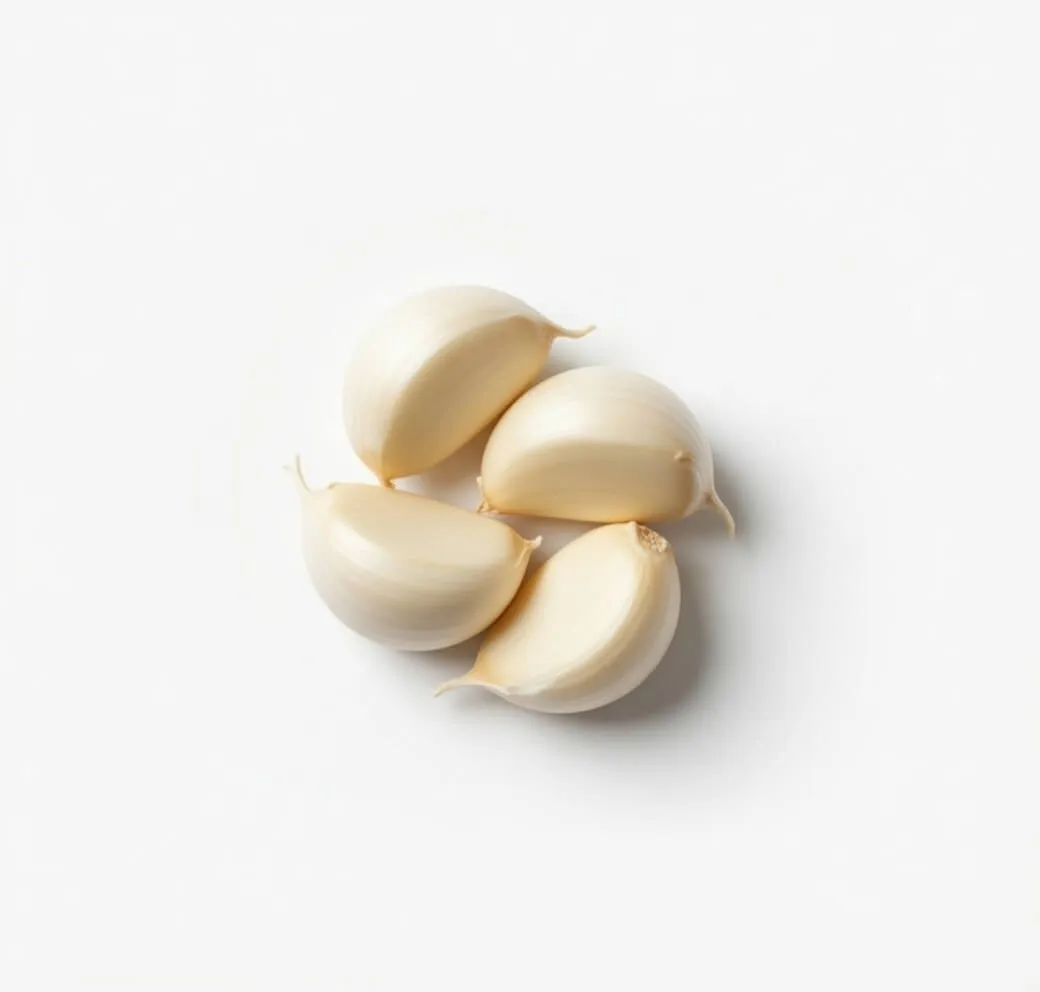
Two familiar kitchen staples each have a place in home remedies: garlic and onion in a warming elixir, and ginger in a compress for sore muscles. They are not interchangeable. One carries moderate evidence around inflammation, the other strong evidence around pain, and knowing the difference helps you choose sensibly.
The garlic-onion elixir: moderate evidence for inflammation
Garlic's organosulfur compounds and onion's quercetin work synergistically to reduce chronic inflammation. Research shows aged garlic extract reduces inflammatory markers — CRP, TNF-α and IL-6 — and quercetin from onions is a potent inhibitor of NF-κB, a master regulator of inflammatory gene expression. A meta-analysis by Darooghegi Mofrad et al. in J Nutr (2019) examined garlic's effect on inflammatory biomarkers. Its evidence level is moderate.
Crush three garlic cloves and dice one medium red onion, sauté lightly in olive oil — brief cooking preserves some allicin while releasing quercetin — then add to soups or stir-fries, or eat with whole grain bread. Suggested daily: 2–3 cloves of garlic and ½ onion in your cooking; for acute inflammation, aged garlic extract at 1200 mg/day is also suggested.
Garlic is rich in sulfur-containing compounds like allicin and has been traditionally valued for cardiovascular support, immune function and antimicrobial properties, and supplies antioxidants and nutrients including selenium and manganese. Onion is high in quercetin, a powerful antioxidant with anti-inflammatory properties, and contains prebiotic fibres that support digestive health; it has also been traditionally used for respiratory health and to ease congestion.
The ginger compress: strong evidence for pain
Ginger has demonstrated significant anti-inflammatory and analgesic effects in clinical trials. One study found 2 g of ginger daily reduced exercise-induced muscle pain by 25%. Ginger inhibits COX-2 and 5-lipoxygenase enzymes — similar mechanisms to NSAIDs but without the gastric side effects. Its evidence level is strong, supported by an RCT by Black et al. in J Pain (2010) and a meta-analysis by Terry et al. in Phytomedicine (2011).
To make it, grate three inches of fresh ginger, wrap it in cheesecloth and steep in hot water for 10 minutes. Apply the warm ginger cloth to sore muscles or joints for 20 minutes, two to three times daily. For internal use, steep grated ginger for tea at 2–3 cups daily, or take 1–2 g of ginger powder as a supplement.
A cornerstone of traditional medicine for over 5,000 years, ginger is traditionally used to ease nausea and motion sickness, and may support healthy digestion and reduce bloating. Viljoen et al. in Nutr J (2014) published a meta-analysis of 12 RCTs on nausea.
Who might prefer which
If you want something to fold into everyday meals, the elixir fits naturally into cooking and suits a general approach to inflammation. If you have localised sore muscles or joints — after exercise, for instance — the compress is the more targeted option and rests on stronger evidence. Some people will prefer one format: a warm cloth for 20 minutes, or garlic and onion in the pan.
Read the cautions before you start. Both may interact with blood thinners. Raw garlic can cause heartburn in sensitive individuals, and onion may cause GI discomfort in those with IBS or FODMAP sensitivity. Topical ginger may cause skin warmth and redness, which is normal; internally, keep to 4 g per day.
Key takeaways
- The garlic-onion elixir sits at a moderate evidence level, with a meta-analysis of garlic on inflammatory biomarkers behind it.
- The ginger compress has strong evidence for pain, including a study in which 2 g of ginger daily reduced exercise-induced muscle pain by 25%.
- Practical daily amounts: 2–3 garlic cloves and ½ onion in cooking, or a ginger compress applied for 20 minutes two to three times daily, or 2–3 cups of strong ginger tea.
- Both may interact with blood thinners, so check with your doctor if that applies to you.
Remedies in this article
Cautions
Garlic-Onion Anti-Inflammatory Elixir: May interact with blood thinners. Raw garlic can cause heartburn in sensitive individuals. Onion may cause GI discomfort in those with IBS/FODMAP sensitivity.
Ginger Pain Relief Compress: Topical ginger may cause skin warmth and redness — this is normal. May interact with blood thinners. Limit to 4 g per day internally.
Frequently asked questions
Can I use both remedies in the same week?
They are used in different ways: the elixir is included in cooking, while the compress is applied to sore muscles or joints. Both may interact with blood thinners, so if you take anticoagulant medication, check with your doctor before using either.
Which is better for sore joints after exercise?
The ginger compress is the more targeted choice here: the warm cloth is applied to sore muscles or joints for 20 minutes, two to three times daily, and ginger's evidence level is strong for pain, with ginger shown to inhibit COX-2 and 5-lipoxygenase enzymes.
Does the elixir use raw garlic?
No — the preparation calls for crushing the cloves and sautéing them lightly in olive oil, which the fact sheet notes preserves some allicin while releasing quercetin. That matters if you are sensitive, since raw garlic can cause heartburn.
References
Darooghegi Mofrad et al., J Nutr, 2019 — Meta-analysis of garlic on inflammatory biomarkers
Look up this research on PubMed
Black et al., J Pain, 2010 — RCT; Terry et al., Phytomedicine, 2011 — Meta-analysis
Look up this research on PubMed
Viljoen et al., Nutr J, 2014 — Meta-analysis of 12 RCTs on nausea; Terry et al., Phytomedicine, 2011 — Meta-analysis on pain
Explore
More articles
A calm look at the lion's mane elixir: the NGF research behind it, a double-blind trial on cognitive scores, sensible daily amounts and gentle cautions.
Two daily drinks for heart and circulation support: how strong the evidence is for ginger and green tea, how to prepare them, and who might prefer which.
Green tea catechins may reach eye tissues and support antioxidant defenses, preliminary research suggests. Brewing and dose tips inside.