Green Tea for Eye Health: What Research Suggests
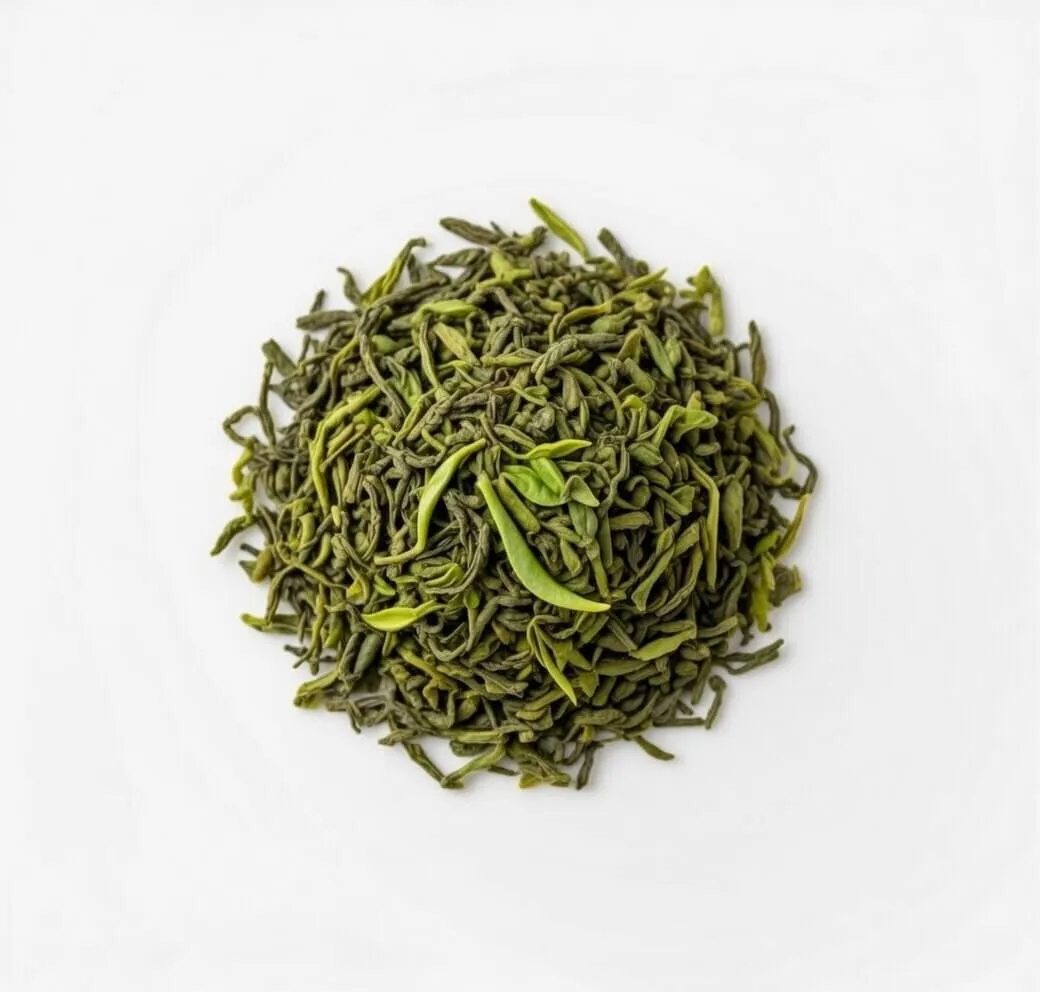
Eye health covers a lot of ground, from everyday vision support and comfort to the changes that come with age. Green tea earns a place in that conversation because of its catechins — particularly EGCG — the compounds researchers have focused on in relation to eye tissue.
Green tea is made from the unoxidized leaves of the Camellia sinensis plant and has been drunk for over 4,000 years, especially in Asian cultures. Alongside its polyphenol catechins it contains L-theanine, an amino acid that may promote calm focus and mental clarity. The eye blend is simply a well-brewed cup with a squeeze of lemon.
What the research suggests
Research by Chu et al., published in Experimental Eye Research in 2010, found that green tea catechins were absorbed into various parts of the eye, including the retina and aqueous humor, where they reduced oxidative stress markers. In other words, the compounds appear able to reach eye tissues and offer direct antioxidant protection, rather than acting only elsewhere in the body. This is preliminary evidence — an encouraging direction rather than a settled finding — so it is best read as one interesting piece of a larger picture.
That sits alongside what green tea offers more broadly: it is rich in EGCG and other catechins with antioxidant properties. Traditional use has centred on cardiovascular and cognitive support, and some research suggests the tea may support metabolic health and healthy weight management — separate lines of enquiry from the eye work.
Brewing it well
Use 2 teaspoons of high-quality green tea leaves in water at about 175°F for 2-3 minutes. Keep the water below a boil: boiling is harsher on catechins, and the blend's guidance is to avoid it so they are preserved. Green tea's own general guidance gives a slightly wider range of 160-180°F for 2-3 minutes, which sits comfortably alongside the blend's instructions.
A squeeze of lemon is worth adding. The blend's preparation calls for it specifically to increase catechin absorption, and lemon brings its own flavonoids and limonene, which have antioxidant properties. Lemons are also exceptionally high in vitamin C, so a little fresh juice is doing two jobs at once.
Aim for 2-3 cups daily, spaced through the day rather than taken all at once, to keep antioxidant intake steady. Drinking it warm is the blend's simple suggestion, and a mid-morning cup slots easily into most routines.
Cautions worth knowing
Green tea contains caffeine, so if you are sensitive, keep your last cup before 2 PM. It may interact with certain medications, including blood thinners and beta-blockers — check with your prescriber or pharmacist if either applies to you. Iron absorption may also be reduced if the tea is consumed with meals, so drinking your cups between meals rather than alongside iron-rich food is a sensible habit.
Key takeaways
- Preliminary research found green tea catechins were absorbed into eye tissues, including the retina and aqueous humor, where they reduced oxidative stress markers.
- Brew 2 teaspoons of leaves at around 175°F for 2-3 minutes, avoiding boiling water to preserve catechins.
- A squeeze of lemon is included in the preparation to increase catechin absorption.
- The suggested amount is 2-3 cups daily, spaced through the day for sustained antioxidant intake.
- Be mindful of caffeine, possible interactions with blood thinners and beta-blockers, and reduced iron absorption when drunk with meals.
Remedies in this article
Cautions
Green Tea Eye Protection Blend: Contains caffeine — limit after 2 PM if sensitive. May interact with certain medications including blood thinners and beta-blockers. Iron absorption may be reduced if consumed with meals.
Frequently asked questions
How many cups should I drink each day?
The blend suggests 2-3 cups daily, spaced through the day rather than taken all at once, so antioxidant intake stays steady. Green tea's general guidance points to the same range.
Does the lemon actually matter?
The preparation includes a squeeze of lemon specifically to increase catechin absorption. Lemon also supplies flavonoids and limonene, which have antioxidant properties, plus a good amount of vitamin C.
Can I drink it in the evening?
It contains caffeine, so if you are sensitive, keep your last cup before 2 PM. That leaves the earlier part of the day for your 2-3 cups.
How strong is the eye research?
It is preliminary. The study by Chu et al. in Experimental Eye Research in 2010 found catechins in eye tissues and a reduction in oxidative stress markers, which is a promising direction rather than a settled conclusion.
References
Chu et al., Exp Eye Res, 2010 — Green tea catechins in eye tissues
Explore
More articles
A calm look at the lion's mane elixir: the NGF research behind it, a double-blind trial on cognitive scores, sensible daily amounts and gentle cautions.
Two daily drinks for heart and circulation support: how strong the evidence is for ginger and green tea, how to prepare them, and who might prefer which.
A nettle hair rinse and a colloidal oatmeal skin soak, compared: what the evidence suggests and how to choose between them.