Ginger vs Green Tea: Heart Health Evidence Compared
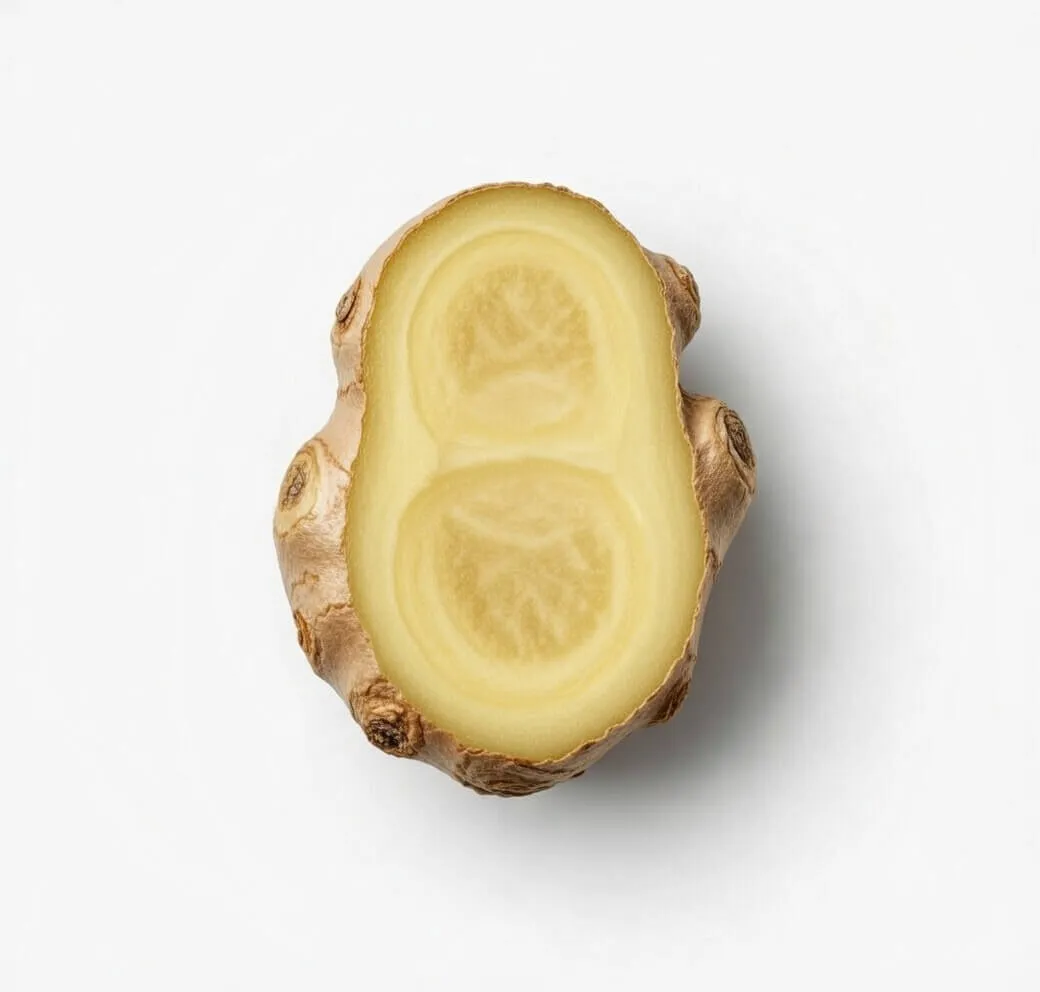
Ginger tea and green tea are two of the simplest everyday habits for heart and circulation support — and both have research behind them. The difference lies in how strong that research is, and in what each drink is actually studied for. Here is what the evidence shows, how to prepare each one well, and how to choose.
Ginger Cholesterol Support: Moderate Evidence, Warming Cup
Ginger's heart-related evidence centres on cholesterol. A systematic review and meta-analysis found that ginger supplementation significantly reduces total cholesterol, triglycerides and LDL levels while potentially raising HDL. Ginger's gingerols and shogaols also have antiplatelet activity and improve circulation, and combined with garlic the cardiovascular benefits are amplified.
To make it, grate 2 inches of fresh ginger and simmer it in 2 cups of water for 15 minutes, then strain and add lemon and honey — or simply add ginger to your daily cooking. The suggested amount is 2–3 cups of ginger tea daily, or 1–2 grams of ginger powder. A few cautions: ginger may interact with blood thinners and diabetes medications, intake should be limited to 4 g per day, and it is worth consulting a doctor if you take cardiovascular medications.
Beyond cholesterol, ginger is a pungent, warming root with a long traditional life, used to ease nausea and support healthy digestion.
Green Tea Heart Health Ritual: Strong Evidence, Cooler Water
Green tea has strong evidence for heart health. Green tea consumption is strongly associated with reduced cardiovascular risk, and a large meta-analysis of 13 studies found that drinking 3 or more cups daily reduces heart attack risk by 11% and stroke risk by 14%. Its catechins, especially EGCG, improve endothelial function, reduce LDL oxidation and support healthy cholesterol levels.
Steep 1 teaspoon of high-quality loose-leaf green tea in 175°F (80°C) water for 2–3 minutes, avoid boiling water, and re-steep the leaves 2–3 times. The suggested amount is 3–5 cups daily. Green tea contains caffeine, so it is worth limiting intake in the afternoon and evening. It may also reduce iron absorption from meals — drink it between meals if you are iron-deficient — and it may interact with blood thinners.
Green tea is rich in EGCG and other catechins with antioxidant properties, and its L-theanine may promote calm focus and mental clarity. It is traditionally used to support cardiovascular and cognitive health.
Who Might Prefer Which
If cholesterol numbers are your focus, ginger's research looked specifically at cholesterol and triglyceride levels, and it suits anyone who wants a warm drink they can also cook with.
If heart attack and stroke risk are your focus, green tea's research covers those outcomes — a meta-analysis of 13 prospective studies found that 3 or more cups daily reduces heart attack risk by 11% and stroke risk by 14%. If caffeine disturbs your sleep, keep your green tea earlier in the day.
If you take blood thinners, both deserve a conversation with your doctor. Ginger may interact with blood thinners and diabetes medications and should be limited to 4 g per day; green tea may also interact with blood thinners and may reduce iron absorption from meals.
Key takeaways
- Ginger has moderate evidence for cholesterol: a systematic review and meta-analysis found significant reductions in total cholesterol, triglycerides and LDL, with potentially higher HDL.
- Green tea has strong evidence: a meta-analysis of 13 studies found that 3 or more cups daily reduces heart attack risk by 11% and stroke risk by 14%.
- Ginger: 2–3 cups of tea daily or 1–2 grams of powder, limited to 4 g per day; may interact with blood thinners and diabetes medications.
- Green tea: 3–5 cups daily, steeped at 175°F (80°C) for 2–3 minutes; caffeine timing and iron absorption are the main practical considerations.
Remedies in this article
Cautions
Ginger Cholesterol Support: May interact with blood thinners and diabetes medications. Limit to 4 g per day. Consult doctor if on cardiovascular medications.
Green Tea Heart Health Ritual: Contains caffeine — limit intake in the afternoon/evening. May reduce iron absorption from meals; drink between meals if iron-deficient. May interact with blood thinners.
Frequently asked questions
Can I drink ginger tea and green tea on the same day?
Both can fit into a daily routine, and many people enjoy them at different points in the day. Keep each one's cautions in view: ginger may interact with blood thinners and diabetes medications and is limited to 4 g per day, while green tea contains caffeine, may reduce iron absorption from meals, and may interact with blood thinners.
How much ginger tea should I drink?
The suggested amount is 2–3 cups of ginger tea daily, or 1–2 grams of ginger powder. Keep total intake to no more than 4 g per day. Ginger may interact with blood thinners and diabetes medications, and it is worth consulting a doctor if you take cardiovascular medications.
Does water temperature really matter for green tea?
Yes — steep 1 teaspoon of loose-leaf green tea in 175°F (80°C) water for 2–3 minutes and avoid boiling water, then re-steep the leaves 2–3 times. Drink it between meals if you are iron-deficient, and keep the caffeine in mind if you are sensitive to it.
References
Maharlouei et al., Food Funct, 2019 — Systematic review and meta-analysis
Look up this research on PubMed
Pang et al., Eur J Clin Nutr, 2016 — Meta-analysis of 13 prospective studies
Look up this research on PubMed
Viljoen et al., Nutr J, 2014 — Meta-analysis of 12 RCTs on nausea; Terry et al., Phytomedicine, 2011 — Meta-analysis on pain
Explore
More articles
A calm look at the lion's mane elixir: the NGF research behind it, a double-blind trial on cognitive scores, sensible daily amounts and gentle cautions.
Green tea catechins may reach eye tissues and support antioxidant defenses, preliminary research suggests. Brewing and dose tips inside.
A nettle hair rinse and a colloidal oatmeal skin soak, compared: what the evidence suggests and how to choose between them.