Nettle Hair Rinse vs Colloidal Oatmeal for Skin
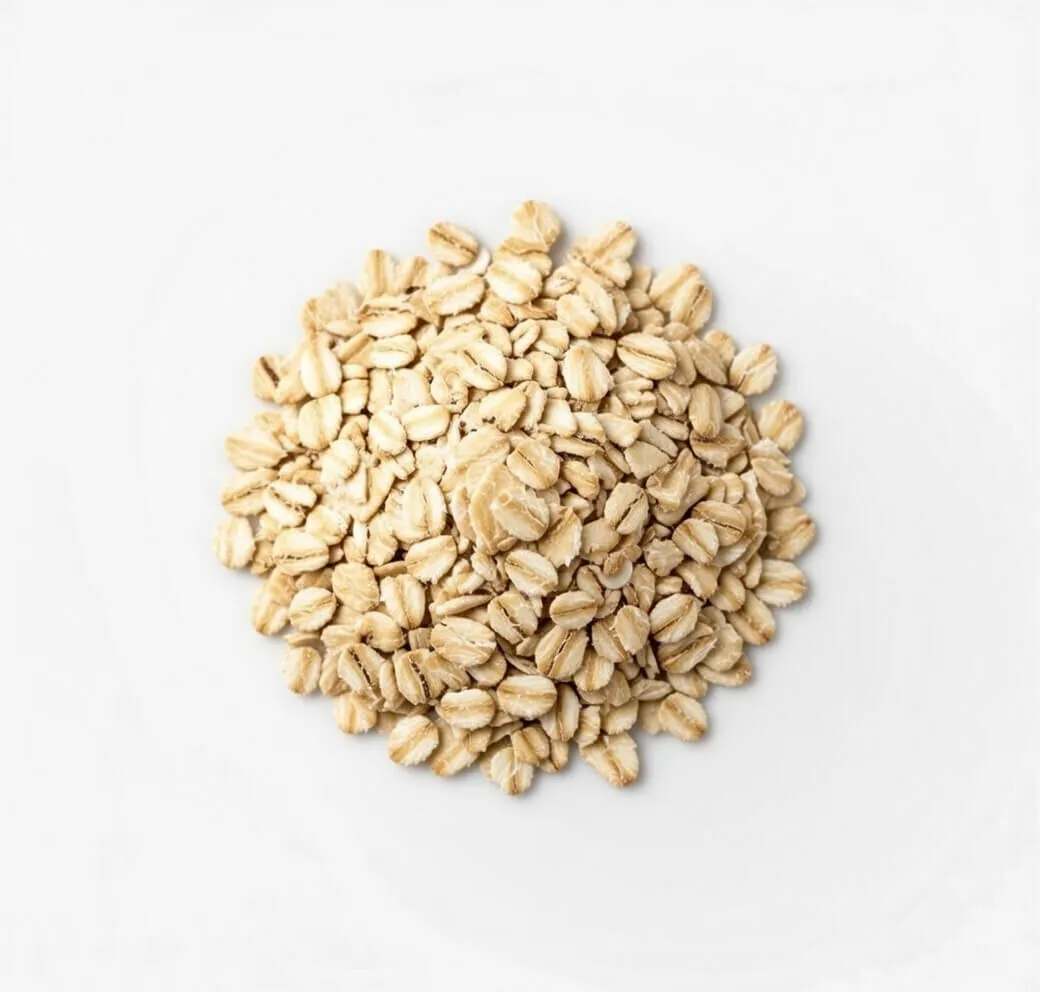
A nettle hair rinse and a colloidal oatmeal skin soak are both simple, plant-based habits you can make in your own kitchen — but they sit at different points on the evidence spectrum. One is an old European hair tonic with early laboratory interest behind it; the other is a skin protectant recognised in an official monograph and studied in clinical trials.
Knowing which is which helps you use each with realistic expectations, and pick the one that fits what you actually want to look after.
What the evidence shows
Nettle (Urtica dioica) is rich in silica, iron and sulfur, and a strong infusion used as a hair rinse may strengthen hair shafts, reduce breakage, support scalp health and add natural shine. It has been used as a hair tonic across European cultures for centuries. The evidence level, though, is preliminary: much of the interest comes from laboratory work on nettle's bioactive compounds and hair follicle activity, such as the review by Ramos et al. in Molecules (2020). Think of it as a gentle addition to a routine rather than a replacement for care your clinician has advised.
Colloidal oatmeal carries strong evidence. It is recognised by the FDA as a skin protectant, and clinical trials show it significantly improves eczema symptoms, skin dryness and barrier function, as described by Reynertson et al. in the Journal of Drugs in Dermatology (2015). Its avenanthramides are anti-inflammatory compounds that reduce itching and redness, beta-glucans form a protective film that locks in moisture, and the grain brings zinc, vitamin E and B vitamins.
How to use each one
For the nettle rinse, steep 3-4 tbsp dried nettle in 2 cups boiling water for 20-30 minutes, then strain and let it cool to a comfortable temperature. After shampooing, pour it over your hair, massage it into the scalp and leave for 2-3 minutes before rinsing with cool water. Use it as a final rinse 2-3 times per week; results are typically visible after 4-6 weeks of consistent use. It is for external use only, so do a patch test on a small area of scalp first, and use only dried or well-brewed nettle — fresh nettle can sting.
For the oat soak, grind 1 cup of plain oats into a fine powder and add it to a lukewarm bath, soaking for 15–20 minutes. For a paste, mix ground oats with warm water and apply to irritated areas for 10 minutes. An oatmeal bath 2–3 times weekly suits eczema and dry skin, with the paste used as needed for localized irritation. Keep the water lukewarm rather than hot, since hot water worsens skin irritation, use plain unflavoured oats only, and stop if irritation worsens — a rare oat allergy is possible.
Who might prefer which
Lean towards the nettle rinse if your concern is hair and scalp: breakage, shine, general scalp condition. It suits someone happy to add a rinse step after shampooing and to keep going for several weeks, and who is comfortable that the evidence is preliminary.
Lean towards colloidal oatmeal if the issue is skin — itching, redness, dryness or eczema-prone patches — and you would rather build on strong evidence. A warm soak is also an easier habit than a post-shampoo rinse for many people. Because they address different areas, there is no reason to choose at all if both apply to you.
Key takeaways
- A nettle infusion used as a rinse may strengthen hair shafts, reduce breakage, support scalp health and add shine — but the evidence is preliminary.
- Colloidal oatmeal has strong evidence: clinical trials show it significantly improves eczema symptoms, dryness and barrier function, and the FDA recognises it as a skin protectant.
- Use the nettle rinse as a final rinse 2-3 times per week; results are typically visible after 4-6 weeks of consistent use.
- An oatmeal bath 2–3 times weekly uses 1 cup of finely ground plain oats in lukewarm water for 15–20 minutes.
- Patch-test the nettle rinse on a small area of scalp first, and keep oat bath water lukewarm rather than hot.
Remedies in this article
Cautions
Nettle Hair Strengthening Rinse: For external use only. Do a patch test on a small area of scalp first. Fresh nettle can sting — only use dried or well-brewed nettle for rinses.
Colloidal Oatmeal Skin Soothe: Ensure water is lukewarm, not hot (hot water worsens skin irritation). Use plain, unflavored oats only. Rare oat allergy is possible — discontinue if irritation worsens.
Frequently asked questions
Can I use both in the same week?
Yes. They work on different areas, so a nettle final rinse 2-3 times per week after shampooing and an oatmeal bath 2–3 times weekly can sit alongside each other in a routine.
How soon might I notice a difference?
With the nettle rinse, results are typically visible after 4-6 weeks of consistent use. The oatmeal evidence describes significant improvement in eczema symptoms and dryness in clinical trials.
Can I use fresh nettle from the garden?
No — fresh nettle can sting, so use only dried or well-brewed nettle for rinses, and keep the rinse for external use only.
Any cautions with the oat soak?
Use plain, unflavoured oats and lukewarm rather than hot water. A rare oat allergy is possible, so discontinue if irritation worsens.
References
Ramos et al., Molecules, 2020 — Urtica dioica bioactive compounds and hair follicle activity
Look up this research on PubMed
Reynertson et al., J Drugs Dermatol, 2015; FDA OTC skin protectant monograph
Explore
More articles
A calm look at the lion's mane elixir: the NGF research behind it, a double-blind trial on cognitive scores, sensible daily amounts and gentle cautions.
Two daily drinks for heart and circulation support: how strong the evidence is for ginger and green tea, how to prepare them, and who might prefer which.
Green tea catechins may reach eye tissues and support antioxidant defenses, preliminary research suggests. Brewing and dose tips inside.