Aloe Vera Gel vs Burdock Tea for Skin
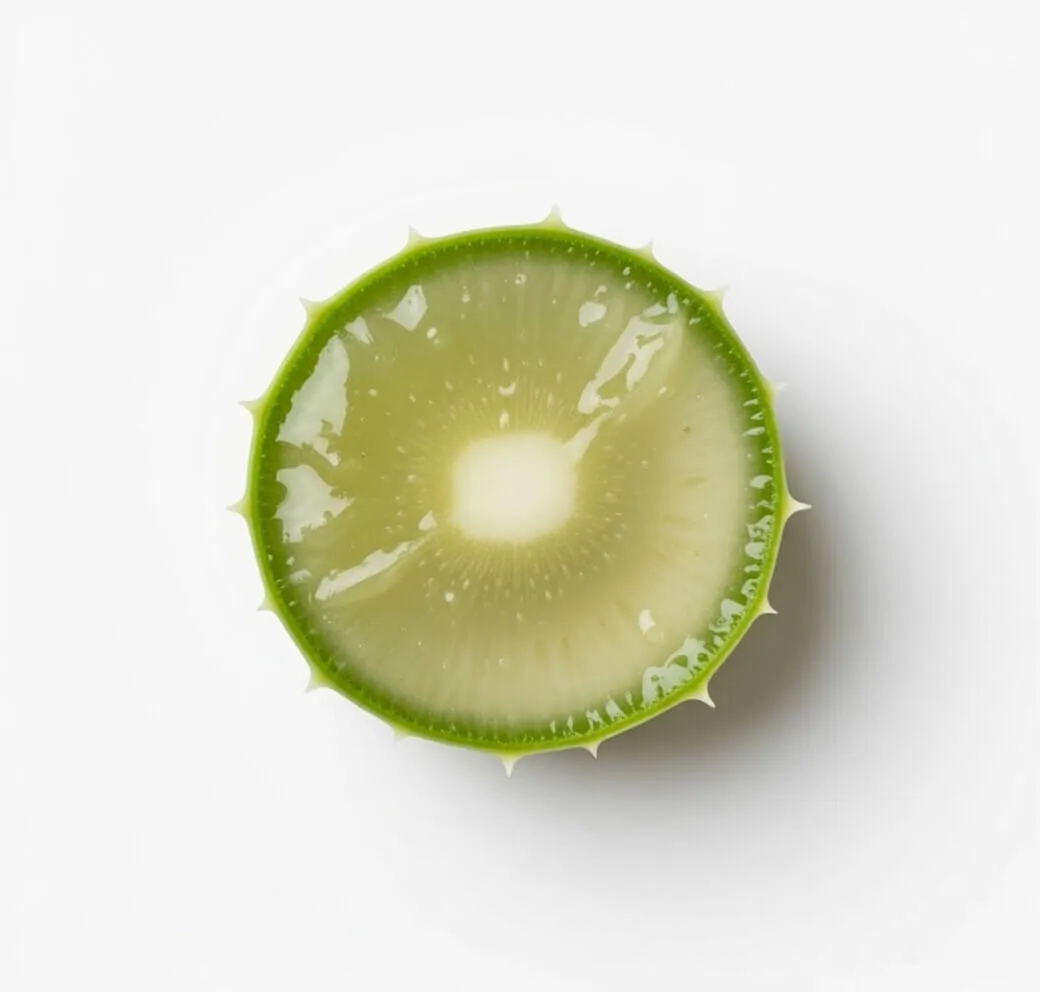
Aloe vera gel and burdock root tea both come up in conversations about skin, but they work in different directions: one is spread on the skin, the other is drunk. Aloe is traditionally used to soothe minor burns, including sunburn, and may support skin hydration. Burdock root has a long history in European and Traditional Chinese Medicine for skin conditions.
The evidence behind them isn't equal. Aloe is rated strong, resting on a systematic review of controlled trials by Maenthaisong et al. (Burns, 2007). Burdock is rated preliminary, from a review of Arctium lappa in dermatology by Miazga-Karska et al. (J Cosmet Dermatol, 2020). That difference shapes when each one makes sense.
Aloe Vera Gel: For Burns and Everyday Irritation
Aloe's clear inner gel contains acemannan and other polysaccharides. A systematic review of controlled trials found that aloe vera significantly reduces the time burns take to recover compared with conventional care. Applied to sunburn and minor skin irritation, it also gives cooling, anti-inflammatory relief.
Using it is simple: cut a fresh leaf and scoop out the clear gel, apply it directly, or blend for a smoother consistency. Commercial 100% aloe vera gel works too. Apply liberally as needed, three to four times daily. The leaves have been used for over 6,000 years, and the gel is known for deeply moisturizing, cooling properties that may help skin appearance and elasticity.
Two cautions matter. Some people are allergic, so do a patch test first. Keep it for external use only, and don't apply it to deep wounds or third-degree burns.
Burdock Root Tea: For Blemishes and Dull Skin
Burdock root has a long history in European herbalism and Traditional Chinese Medicine for skin conditions, and it's eaten as gobo in Japanese cooking. The tradition holds that it supports the liver and lymphatic system in eliminating toxins that can manifest as acne, eczema or dull skin, and its inulin feeds beneficial gut bacteria — part of the gut-skin connection. The evidence is preliminary: a review by Miazga-Karska et al. (J Cosmet Dermatol, 2020) covers Arctium lappa in dermatology, so read this as a traditional use with early research behind it.
To make the tea, simmer 1–2 tsp dried burdock root in 2 cups water for 15 minutes, then strain and drink warm. The suggested pattern is 1–2 cups daily for 4–6 weeks, with results for skin conditions typically appearing after 2–3 weeks of consistent use. For enhanced effect, add 1/2 tsp dried calendula flowers during steeping; calendula is traditionally used to soothe minor skin irritations and may help moisturize dry or damaged skin.
Burdock may cause increased breakouts initially as toxins are released. Avoid it during pregnancy, and note that it may interact with blood sugar and blood-thinning medications.
Who Might Prefer Which
For a sunburn, a splash burn in the kitchen or an irritated patch of skin, aloe is the more direct choice: it goes straight on, several times a day, and the evidence for minor burns is strong. For an ongoing pattern of blemishes or dull skin, burdock is the one people reach for as a daily cup, with a longer horizon — weeks rather than hours.
They're used differently, one on the skin and one by the cup, so the question is often what fits your day rather than which one wins. Whichever you choose, read the cautions first: a patch test for aloe, and pregnancy and medication checks for burdock.
Key takeaways
- Aloe vera gel has strong evidence for minor burns; studies suggest it shortens recovery time compared with conventional care.
- Aloe is for external use only — patch test first, and not on deep wounds or third-degree burns.
- Burdock root tea is preliminary evidence, traditionally used for acne, eczema and dull skin, at 1–2 cups daily for 4–6 weeks.
- Burdock may bring extra breakouts at first, should be avoided in pregnancy, and may interact with blood sugar and blood-thinning medications.
- Choose aloe for a burn or irritated patch you can apply gel to several times a day, and burdock when you want a weeks-long daily routine.
Remedies in this article
Cautions
Aloe Vera Burn & Wound Gel: Some people may be allergic — do a patch test first. Do not apply to deep wounds or third-degree burns. For external use only.
Burdock Root Skin Clearing Tea: May cause increased breakouts initially as toxins are released (a 'healing crisis'). Avoid during pregnancy. May interact with blood sugar and blood-thinning medications.
Frequently asked questions
Can I put aloe vera gel on any burn?
No — it's for minor burns and irritations. Don't apply it to deep wounds or third-degree burns, and keep it external only. Patch test first if it's new to you.
How long does burdock tea take to work for skin?
The suggested dose is 1–2 cups daily for 4–6 weeks, with results for skin conditions typically appearing after 2–3 weeks of consistent use. The evidence is preliminary, so take that as a rough guide.
Can I add calendula to the burdock tea?
Yes. The preparation suggests 1/2 tsp dried calendula flowers during steeping for enhanced effect; calendula is traditionally used to soothe minor skin irritations and may help moisturize dry or damaged skin.
Is burdock root safe alongside medication?
It may interact with blood sugar and blood-thinning medications, and should be avoided during pregnancy. If either applies to you, check with your prescriber first.
References
Maenthaisong et al., Burns, 2007 — Systematic review of 4 controlled trials
Look up this research on PubMed
Miazga-Karska et al., J Cosmet Dermatol, 2020 — Arctium lappa in dermatology
Look up this research on PubMed
Maenthaisong et al., Burns, 2007 — Systematic review of controlled trials on burn healing
Explore
More articles
Compare moderate evidence for calendula salve and carrot skin glow, with practical uses, cautions and who may prefer each.
A nettle hair rinse and a colloidal oatmeal skin soak, compared: what the evidence suggests and how to choose between them.
A calm look at the evidence for turmeric golden milk, including curcumin, black pepper absorption, daily use and cautions.