Beetroot vs Chia: What the Evidence Shows
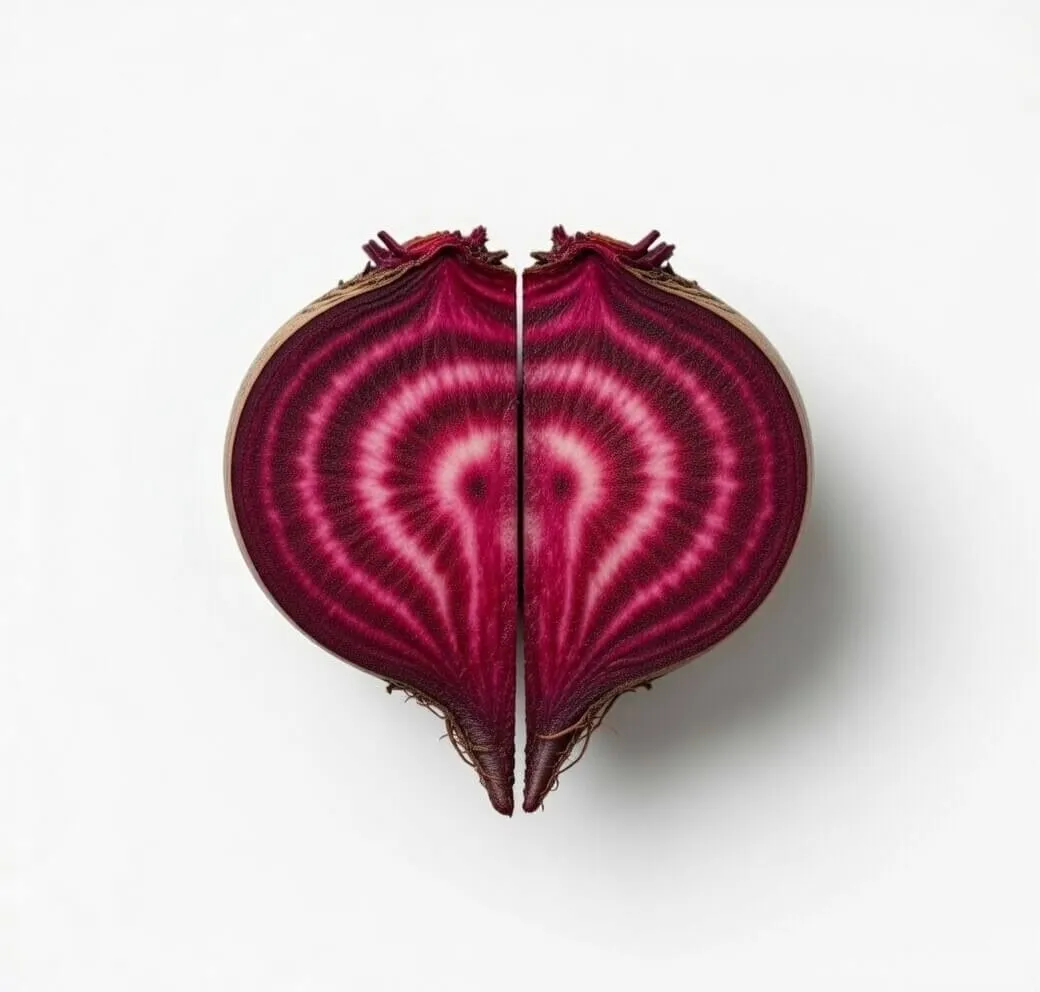
Beetroot juice and chia pudding both appear in heart conversations, but they are not interchangeable. One is a nitrate-rich drink with strong evidence; the other a fibre- and omega-3-rich breakfast with moderate evidence. Here is what the research shows, and how to choose.
Beetroot for circulation: stronger evidence
Beetroot is one of the richest dietary sources of inorganic nitrates, which the body converts to nitric oxide — a molecule that relaxes blood vessels and improves blood flow. A meta-analysis of 22 randomised controlled trials found beetroot juice significantly reduces systolic blood pressure by 3–10 mmHg. Beets also provide folate, which is essential for reducing homocysteine, a cardiovascular risk factor, plus manganese, potassium and betalain antioxidants that reduce vascular inflammation. This is strong evidence.
Nitrates are also studied in exercise. A 2009 study in the Journal of Applied Physiology found beetroot juice extended time-to-exhaustion during cycling by 16%, and subsequent trials have confirmed benefit for endurance athletes and people with high blood pressure alike. Nitrates improve oxygen delivery to muscles, and betalains may reduce exercise-induced inflammation and muscle soreness. For the exercise effect, 250–500 ml is taken 2–3 hours before endurance exercise; beetroot powder (5–10 g) or 200 mg concentrated extract are alternatives.
For daily use, juice 2 medium raw beets or drink 250 mL of commercially available beetroot juice — the daily amount is 250 mL (8.5 oz) or 2 medium raw or roasted beets. Roasted beets work in salads. Raw beets preserve more nitrate than cooked.
Chia seeds: fibre, omega-3s and heart markers
Chia seeds are among the richest plant sources of ALA omega-3 fatty acids, at 5 g per ounce — more than flaxseed by weight. They also provide exceptional fibre (11 g per ounce), calcium (18% DV), magnesium (30% DV for heart rhythm regulation) and phosphorus. Clinical research shows chia consumption significantly reduces systolic blood pressure, triglycerides and inflammatory markers. This sits at moderate evidence.
Their soluble fibre supports digestive health and satiety, and their ability to absorb 10–12 times their weight in water creates a gel that slows digestion and promotes satiety. To make a pudding, mix 3 tablespoons chia seeds with 1 cup milk (dairy or plant-based) and a drizzle of honey; refrigerate overnight and top with berries and walnuts. Chia also works in smoothies or yogurt. Daily amount: 2–3 tablespoons (25–30 g).
Cautions and who might prefer which
Beetroot may cause harmless red-pink discoloration of urine and stool, known as beeturia. It is high in oxalates, so those prone to kidney stones should limit intake. It may also lower blood pressure, so take caution if you are on blood pressure medications.
Always consume chia seeds with plenty of liquid — dry chia seeds can expand and cause choking or esophageal blockage. Chia may interact with blood thinners and blood pressure medications, and it is worth introducing gradually to avoid GI bloating.
If your main focus is blood pressure numbers, beetroot juice offers the stronger evidence. If you would rather have a breakfast bringing fibre, ALA omega-3s and magnesium alongside its moderate evidence for heart markers, chia pudding fits a morning routine. Both may lower blood pressure, so anyone on blood pressure medication should speak with their clinician before adding either — especially if considering both.
Key takeaways
- Beetroot juice carries strong evidence: a meta-analysis of 22 randomised controlled trials found it significantly reduces systolic blood pressure by 3–10 mmHg, through nitrates converted to nitric oxide.
- Chia carries moderate evidence: clinical research shows it significantly reduces systolic blood pressure, triglycerides and inflammatory markers.
- Daily amounts: 250 mL beetroot juice or 2 medium beets; 2–3 tablespoons (25–30 g) chia seeds with plenty of liquid.
- Both may lower blood pressure; beetroot is high in oxalates, and chia may interact with blood thinners.
Remedies in this article
Cautions
Beetroot Circulation Booster: May cause harmless red-pink discoloration of urine and stool (beeturia). High in oxalates — those prone to kidney stones should limit intake. May lower blood pressure — caution if on BP medications.
Chia Seed Heart Pudding: Always consume with plenty of liquid — dry chia seeds can expand and cause choking or esophageal blockage. May interact with blood thinners and blood pressure medications. Introduce gradually to avoid GI bloating.
Frequently asked questions
Can I have beetroot juice and chia pudding on the same day?
Nothing in the evidence rules out using both; they bring different things — nitrates from beetroot, fibre and ALA omega-3s from chia. But both may lower blood pressure, so if you take blood pressure medication, check with your clinician first. Keep chia well mixed with liquid and introduce it gradually to avoid bloating.
Is beetroot juice better than roasted beets?
Raw beets preserve more nitrate than cooked, so juicing 2 medium raw beets or drinking 250 mL beetroot juice is the most concentrated route. Roasted beets in salads still count towards the daily 2 medium raw or roasted beets.
Do I need to exercise for beetroot to help?
No — the blood pressure findings come from trials of beetroot juice itself. For the exercise effect, 250–500 ml is taken 2–3 hours before endurance exercise; a 2009 study in the Journal of Applied Physiology found it extended time-to-exhaustion during cycling by 16%, and subsequent trials have confirmed benefit for endurance athletes and people with high blood pressure.
References
Siervo et al., J Nutr, 2013 — Meta-analysis of 22 RCTs; Lidder & Webb, Biochem Soc Trans, 2013
Look up this research on PubMed
Vuksan et al., Diabetes Care, 2007 — RCT; Nieman et al., Nutr Metab, 2012; Ullah et al., J Food Sci Technol, 2016 — Review
Explore
More articles
A 2019 meta-analysis found ginger supplementation reduces total cholesterol, triglycerides and LDL. Here's what that means and how to use it simply.
Two daily drinks for heart and circulation support: how strong the evidence is for ginger and green tea, how to prepare them, and who might prefer which.
A calm look at what the evidence says for a garlic-onion anti-inflammatory elixir and a ginger pain relief compress, and how to pick between them.